
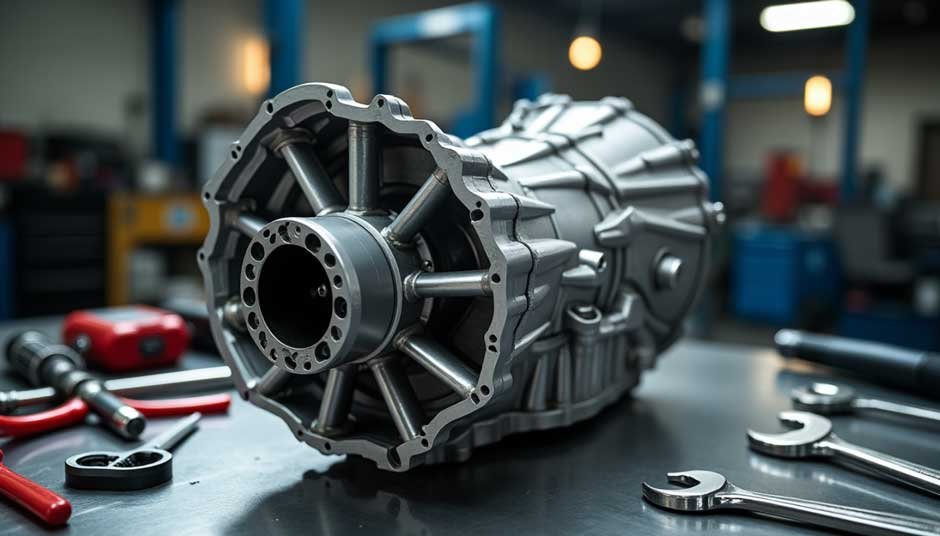
Manual valve bodies give drivers complete control over gear selection. This feature is a vital component for performance-focused car enthusiasts. The identification process isn’t always straightforward because some aftermarket versions can look similar to stock automatic ones.
Most drivers can mistake one type for another without proper inspection. Automatic valve bodies handle gear changes automatically, while manual valve bodies need you to change through each gear yourself. The key differences between manual and automatic valve bodies become clear through visual indicators, testing methods, and verification steps. This piece will help you identify your vehicle’s valve body type.
Understanding Manual vs Automatic Valve Bodies
The automatic valve body works on its own. It selects the right gears based on driving conditions without any input from the driver. The system uses sensors that track vehicle speed, engine load, and throttle position to send information to the onboard computer.
These automatic valve bodies come ready from the factory. They function through a complex network of channels that direct transmission fluid to trigger specific gear changes. The system looks at several factors to figure out the best time and pressure for shifting.
Manual valve bodies put drivers in complete control of their vehicle. They offer faster shift timing and can handle more line pressure than automatic ones. Manual valve bodies also remove the need for vacuum modulators and detent cables. This makes them perfect for off-road and racing uses.
Line pressure characteristics create a key difference between the two types. Manual valve bodies keep higher line pressures, which stops clutches from slipping under heavy loads. This feature makes them ideal for:
- Racing where you need exact shift control
- Off-road vehicles that need specific gears for different terrain
- Performance cars where automatic shifting isn’t wanted
- Situations where quick response matters most
Manual valve bodies let you use engine braking to create extra stopping force. This becomes really useful in high-performance and off-road situations where better vehicle control matters.
Visual Inspection Methods
A thorough physical inspection helps identify a manual valve body. The valve body sits inside the oil pan at the bottom of the transmission case.
Manufacturers put specific codes and abbreviations on their valve bodies. These markings serve two purposes: they show testing standards and approved applications. Many aftermarket companies also stamp their names and part numbers right on the valve body plates.
The visual inspection should focus on these core identifiers:
- Casting numbers on the valve body surface
- Manufacturer’s name or logo
- Specific model or part numbers
- Lead-free markings (marked as “LF” if applicable)
- Solenoid configuration and placement
Manual valve bodies can look similar to stock versions from the outside. Checking blocked-off modulator ports or modified governor feed tubes helps confirm the type.
Specific components offer more clues about identification. Manual valve bodies usually don’t need vacuum modulators, though some forward pattern versions might still use them. The inner valve stays in place even after removing the modulator.
The separator plate and casting need careful attention during inspection. Reverse shift pattern valve bodies have unique features in their worm casting side. Professional rebuilders often add their company’s name and specific part numbers to modified valve bodies.
Testing and Verification Steps
Testing is a vital way to confirm if you have a manual valve body. Vacuum testing is one of the most reliable ways to verify this. The results directly relate to valve-to-bore clearance.
You’ll need a clean, dry valve body for the vacuum test, which should pull to 30 inches of mercury. The measurements will tell you about the valve body’s condition:
- 26-24 inches: Excellent condition
- 23-20 inches: Requires inspection
- Below 19 inches: Excessive wear present
We tested with wet air to verify the valve body type and condition. The process starts by pre-filling the area with transmission fluid and forcing it out under regulated pressure of less than 30 PSI. Fluid that blows through gaps without delay points to potential risks with the valve body.
You can also check the valve body by inspecting side-to-side valve movement. The valve should be in its operating position with no movement detected in the prying tools. The clearance check follows, which should be less than .002 inches to support proper oil film.
Testing equipment needs proper fine-tuning to avoid inaccurate results. Hydraulic test equipment helps isolate the valve body from the transmission. This setup detects leaks differently than standard tests and provides pressure readings on each circuit to simulate actual operating conditions.
Note that these tests need transmission fluid at the correct temperature. Many modern transmissions won’t adapt until they reach at least 170°F. This will give you accurate results and proper verification of your manual valve body configuration.
Conclusion
Your vehicle’s performance and driving experience depend heavily on knowing if you have a manual valve body. Car owners can identify their valve body type through visual inspection and proper testing.
Manual valve bodies give racers and off-road enthusiasts a unique experience. They provide complete control over shifting, higher line pressures, and better engine braking capabilities.
Manufacturer markings and component layouts offer the original clues, but you need proper testing to be completely sure. The quickest way to verify is through vacuum testing, wet air testing, and checking side-to-side movement.
Temperature is a vital part of the testing process. You need specific operating temperatures for most modern transmissions to get accurate results. The right inspection and testing methods will give a reliable way to identify your valve body type and make better decisions about vehicle performance and maintenance.
FAQs
Q1. How can I determine if my vehicle has a manual valve body? A manual valve body allows you to control gear selection directly. You can identify it by inspecting the transmission, looking for specific markings, and observing shift patterns. The most definitive way is through performance testing, as a manual valve body will only shift when you move the shifter, regardless of vehicle speed.
Q2. What are the main differences between manual and automatic valve bodies? Manual valve bodies give drivers complete control over gear shifts, while automatic valve bodies change gears based on driving conditions. Manual valve bodies typically maintain higher line pressures, offer quicker shift timing, and are preferred in racing and off-road applications. Automatic valve bodies, on the other hand, provide convenience for everyday driving.
Q3. What are some visual indicators of a manual valve body? Look for manufacturer markings, part numbers, or logos on the valve body surface. Manual valve bodies may have blocked-off modulator ports or modified governor feed tubes. The absence of certain components, like vacuum modulators, can also indicate a manual valve body. However, some aftermarket manual valve bodies may look similar to stock automatic ones.
Q4. How can I test my valve body to confirm its type? Vacuum testing is a reliable method, aiming for 26-24 inches of mercury for excellent condition. Wet air testing and side-to-side valve movement inspection are also effective. Use hydraulic test equipment to simulate operating conditions and check for leaks. Ensure the transmission fluid is at the correct temperature (around 170°F) for accurate results.
Q5. What are the advantages of having a manual valve body? Manual valve bodies offer benefits such as complete shift control, higher line pressures, and enhanced engine braking. They’re particularly advantageous for racing, off-road driving, and high-performance applications where immediate response and precise gear selection are crucial. They also allow for customized shift points and can handle higher horsepower in modified vehicles.